
Eye Care in Kenya: Cataract, Trachoma and the Long Road to Universal Vision Health
An estimated 7.5 million Kenyans need ophthalmic care, yet specialists remain scarce and unevenly distributed. This guide examines Kenya's main causes of blindness, the trachoma elimination campaign, the eye health workforce and how patients access and pay for treatment.

Breast Cancer in Kenya: Incidence, Screening, Treatment and the Push for Earlier Diagnosis
Breast cancer is the most commonly diagnosed cancer in Kenya, with thousands of new cases recorded each year and a high proportion detected late. This overview examines the epidemiology, the national registry, screening, treatment access and the drive toward earlier diagnosis.
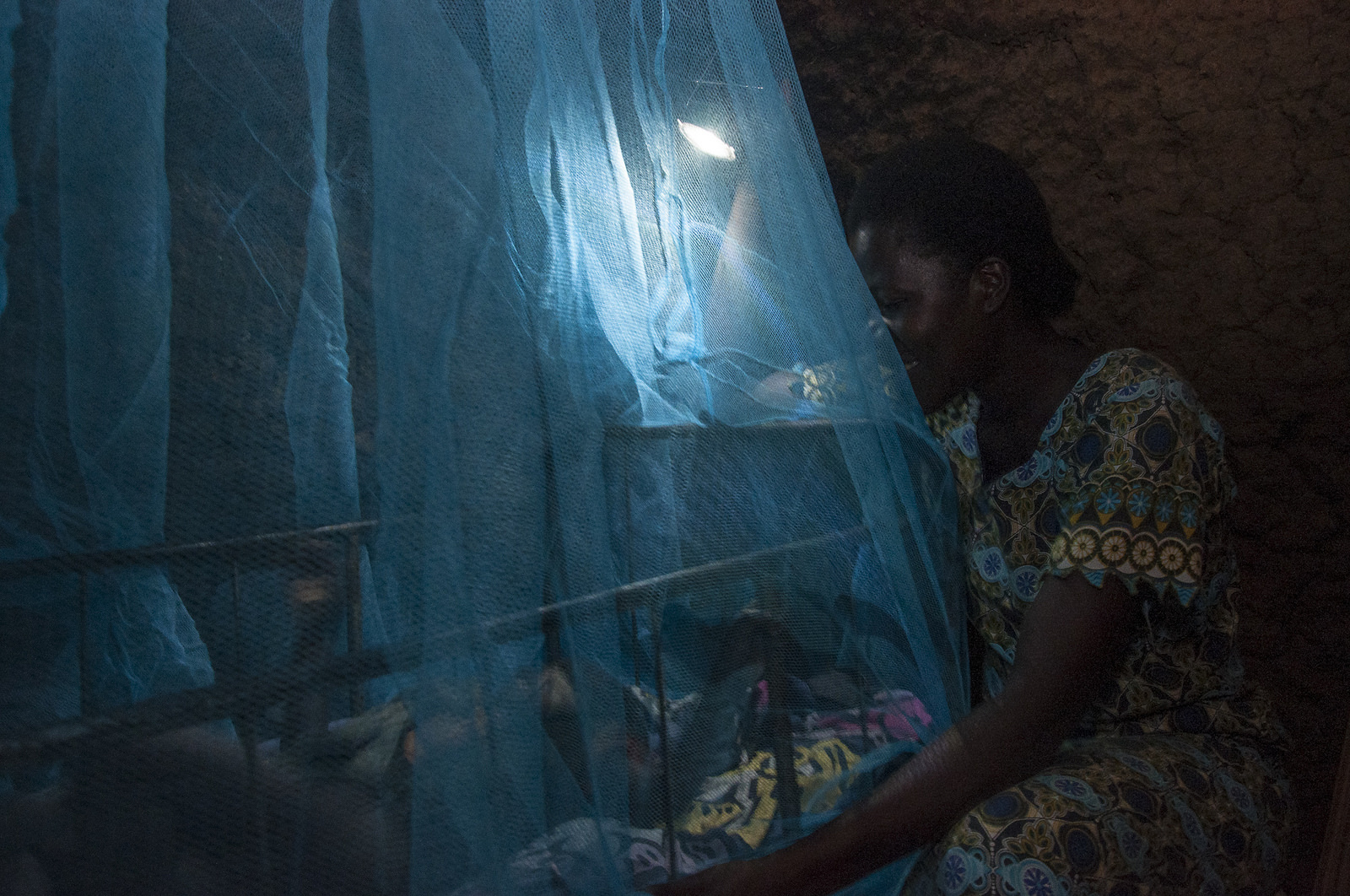
Malaria in Kenya: Epidemiological Zones, Treatment and Prevention
Malaria remains a major public-health burden in Kenya, concentrated in the lake and coastal zones. This guide explains the country's epidemiological zones, treatment with ACTs, prevention through nets and spraying, and the national malaria strategy.
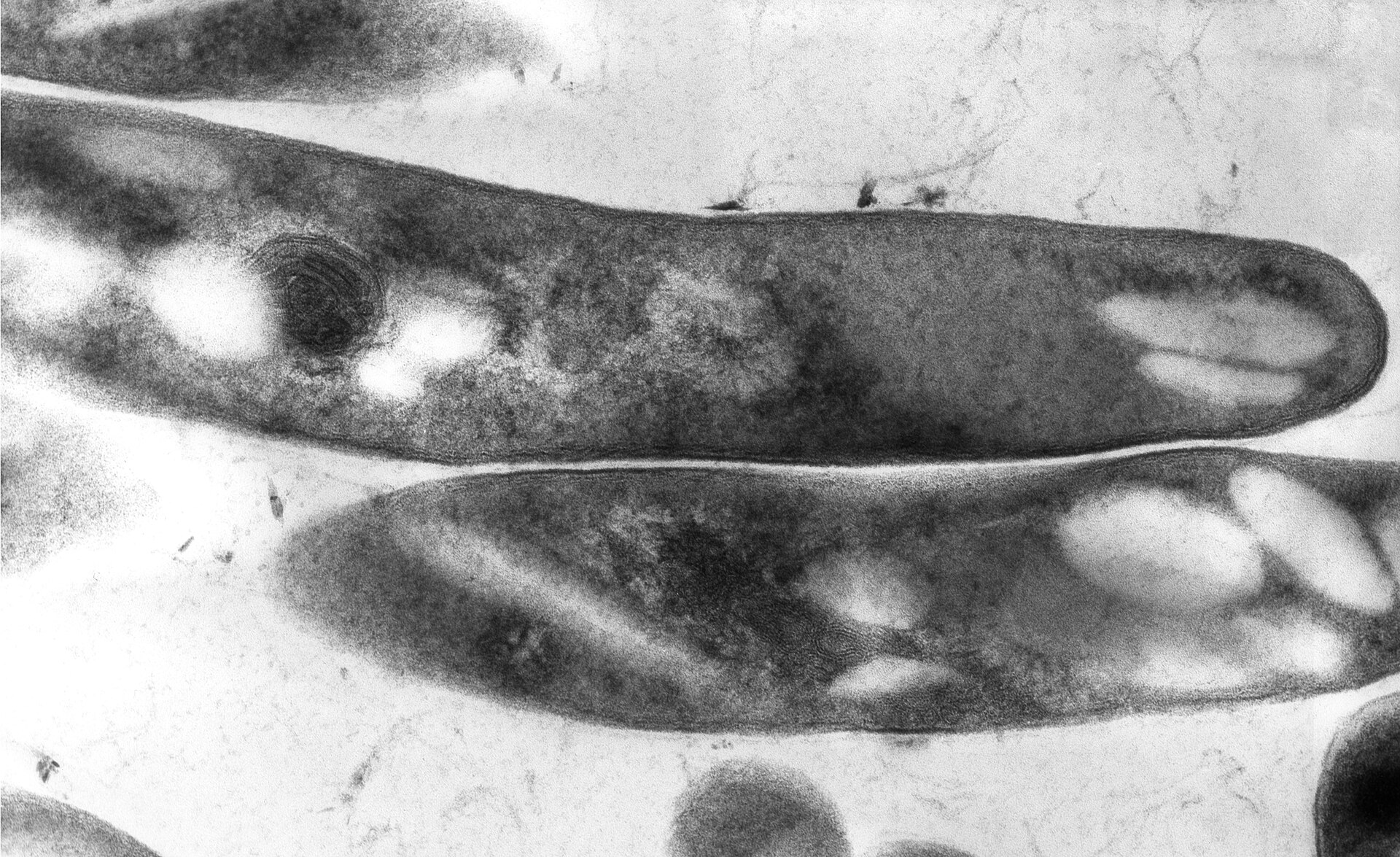
Kenya's National Tuberculosis Programme: Burden, Diagnosis and Treatment Access
Tuberculosis remains one of the leading causes of death from a single infectious agent in Kenya, but two decades of investment in the National Leprosy, Tuberculosis and Lung Disease Programme have substantially reduced incidence, mortality and undiagnosed cases.
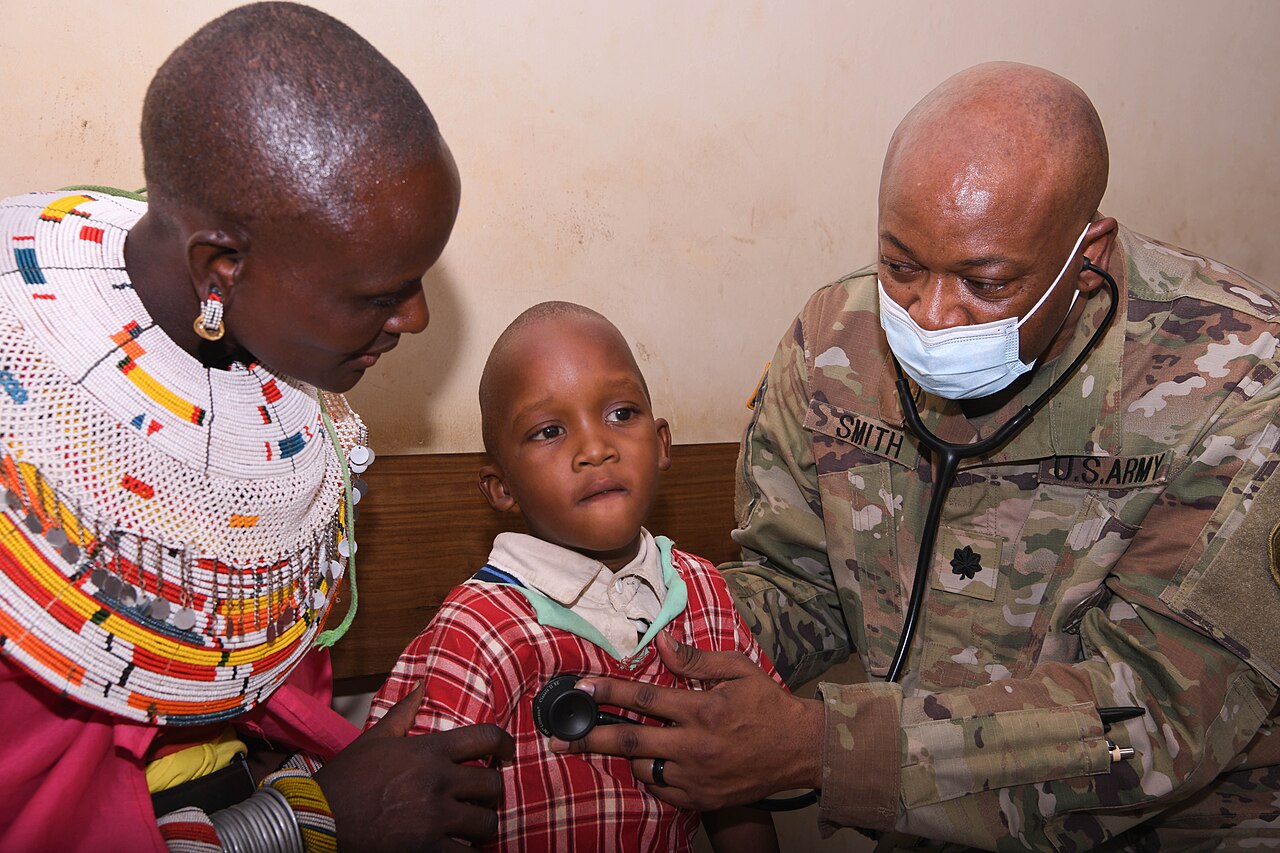
NASCOP and the Kenya HIV Programme: From PEPFAR to U=U, Treatment Coverage, Prevention Innovations and the Path to Epidemic Control
Kenya hosts 1.4 million people living with HIV. A complete guide to the NASCOP-led HIV programme, PEPFAR support, treatment coverage, prevention innovations and the path to control.
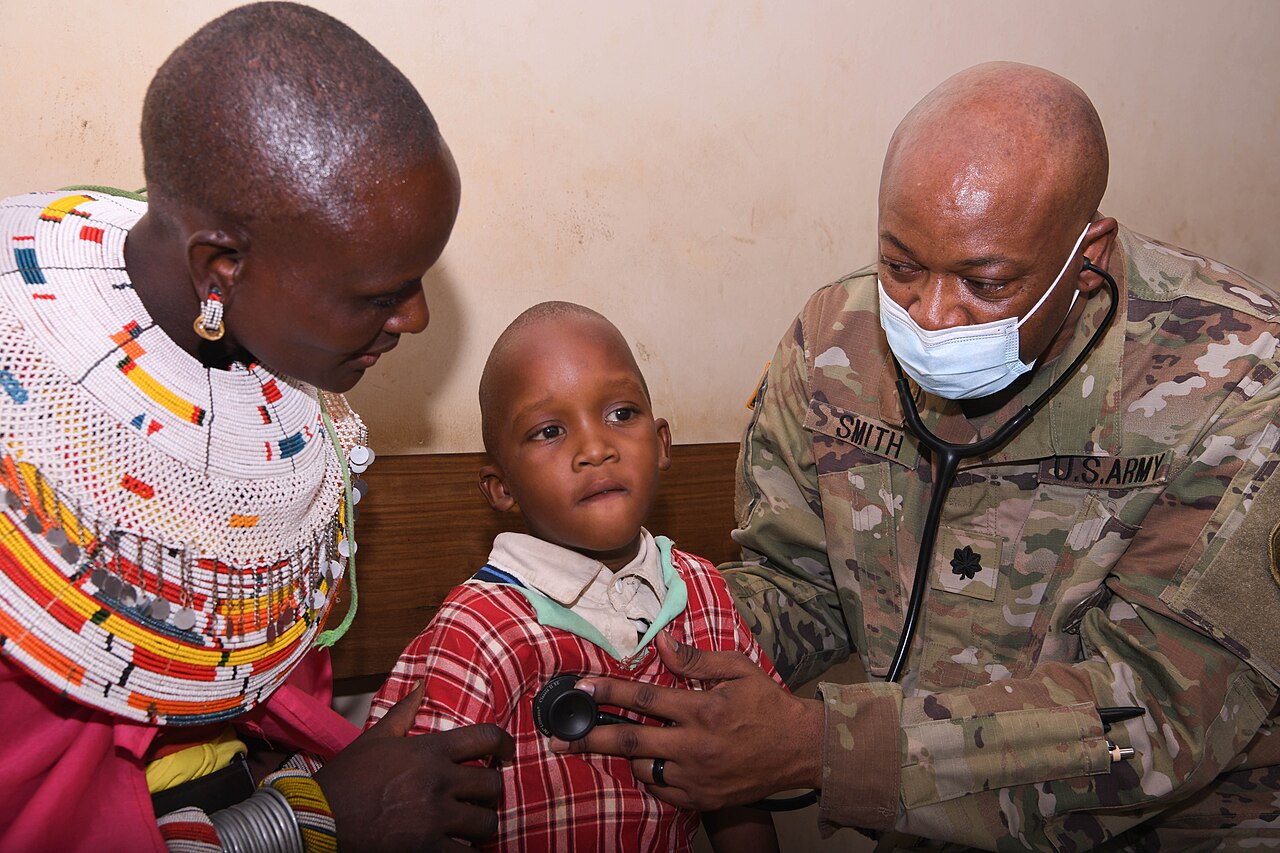
Malaria Control in Kenya: Disease Burden, the National Malaria Strategy, the Insecticide-Treated Net Programme and the Path to Elimination
Malaria causes 3.5 million Kenyan cases annually with 10,700 deaths. A complete guide to disease burden, the National Malaria Strategy, ITNs, treatment and the elimination agenda.
Public Health Emergencies in Kenya: Disease Outbreaks, Epidemic Preparedness, and Lessons from COVID-19
Public health emergencies, from endemic diseases like malaria to explosive outbreaks of cholera and the unprecedented challenge of COVID-19, have repeatedly tested Kenya's healthcare system and emerge...